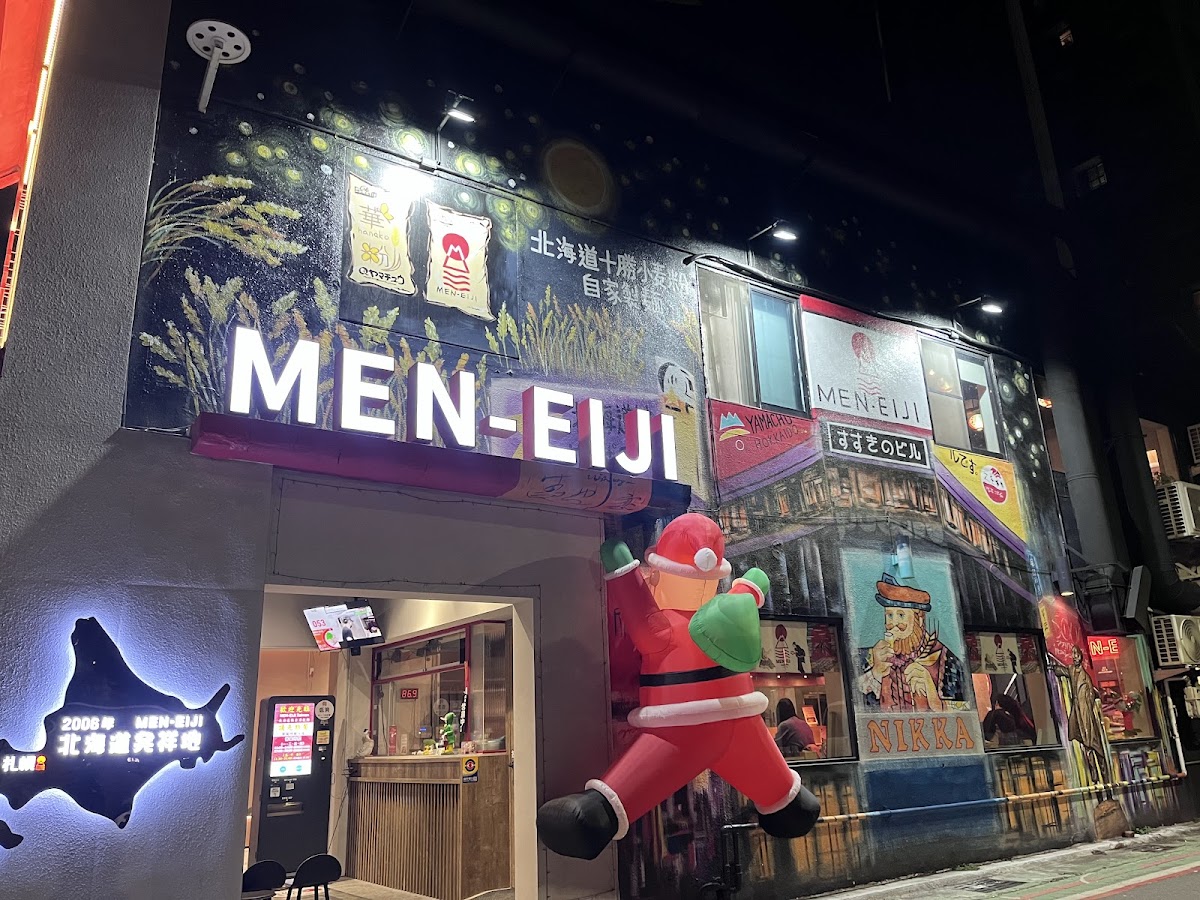
Visited this place because it was in the Michelin Bib Gourmand list. It's not difficult to locate the shop, the building looks big but there are only 10 seats! Was glad the day I visited the place wasn't crowded, looks only half filled. I was standing outside looking at the ordering machine not sure what to try and so I asked a staff for help and she was helpful enough to explain to me the different kinds of ramen dishes available and the taste. She said if its my first time trying I should take the special shio duck ramen. I also decided I should get the gyozas as well to try. After ordering, was shown into the restaurant and had to take the seat that was assigned by the staff. It was quite interesting sitting at the counter watching the chefs preparing the dishes. Didn't take very long for the ramen to be served. What striked me was that appearance wise it tends to look different from typical ones. The soup looks more frothy and never tried duck ramen before. First look you have to take the spoon and uncover the ingredients as the soup and foam would have covered almost everything entirely if you want to take photos of the dish. Had a first taste and it was not bad. The more I ate I felt it kinda drifted from a Japanese dish to a more Chinese dish. Nevertheless it was very enjoyable. The gyozas were also delightful and surprisingly the meat inside tasty so juicy and good. And I liked the gyozas more than the noodles as I thought the gyozas were cooked pretty much to perfection. Definitely recommend to try out this place for the good food and also the reasonable price. Food portion was rather big and generous serving of duck meat. There is a minimal order that every customer should at least order a bowl of ramen for dine in, so no sharing guys.
Overview
If you’re wandering around Taichung’s West District and craving a bowl of ramen that tastes like it flew straight in from Sapporo, Men Eiji Taiwan 北海道鴨白湯 正宗日本拉麵 should be on your radar. Tucked away at No. 130, Zhongxing St, West District, Taichung City, Taiwan 40350, this cozy ramen shop has built a reputation for its rich duck-based broth and uncompromising Japanese technique. I’ve visited twice over the past year, and each time the experience felt consistent, thoughtful, and seriously satisfying.
The first thing you notice is the aroma. Before the bowl even lands on the table, the scent of slow-simmered duck bones fills the air. Unlike the more common tonkotsu pork broth, duck paitan has a deeper, slightly gamey sweetness. According to culinary research shared by the Japanese Ramen Association, long-simmered bone broths extract collagen and gelatin, creating that signature creamy texture ramen lovers chase. At Men Eiji Taiwan, the broth is simmered for hours until it turns milky and full-bodied, yet it never feels greasy.
On my first visit, I ordered the signature duck white soup ramen. The staff explained that they use carefully selected duck bones and control the boiling temperature to avoid bitterness-a detail that shows real kitchen discipline. The noodles, medium-thick with a firm bite, are crafted to match the density of the broth. This balance matters. Food scientists often point out that noodle hydration and alkalinity directly affect how well they absorb soup, and here, the pairing feels intentional rather than accidental.
Then there’s the duck chashu. Instead of the usual pork slices, you get tender duck meat, lightly seared at the edges. It’s juicy without being fatty, and it complements the broth instead of overpowering it. A soft-boiled egg with a custardy center, chopped scallions, and a touch of citrus peel round out the bowl. That subtle citrus lift cuts through the richness, which I personally appreciate after a few spoonfuls of such a dense soup.
The menu isn’t overwhelming, and that’s a good thing. A focused selection often signals confidence in a restaurant’s core offering. Besides the classic duck paitan ramen, you’ll find variations with extra toppings, limited seasonal specials, and side dishes like Japanese-style rice bowls. During my second visit, I tried a spicy version, and while the heat added a kick, it didn’t mask the original flavor profile. Instead, it layered complexity on top of the creamy base.
In terms of atmosphere, the space feels intimate and authentically Japanese. Counter seating lets you watch the chefs at work, which adds transparency to the process. You see the broth being ladled, noodles shaken free of excess water, and bowls assembled with precision. This open-kitchen style fosters trust. When diners can observe preparation firsthand, it naturally builds credibility.
Reviews from local food bloggers and Google Maps consistently highlight the depth of flavor and authenticity. Some even compare it to ramen shops in Hokkaido itself. While taste is subjective, the consistency across customer feedback suggests the quality isn’t a one-off experience. That said, peak hours can mean waiting outside, and seating is limited. If you’re visiting on a weekend evening, expect a queue.
From a professional standpoint-I’ve spent years exploring ramen shops across Taiwan and Japan-I can say Men Eiji Taiwan stands out because it doesn’t try to do everything. Instead, it focuses on doing one style exceptionally well. Authentic Japanese ramen relies on technique, ingredient sourcing, and timing. Here, those elements come together seamlessly. The broth is layered, the noodles are springy, and the toppings feel purposeful.
Not every diner may love duck-based broth; if you prefer lighter shoyu or miso ramen, this might feel intense. Still, for those curious about regional Japanese flavors and hearty paitan soups, this place delivers a bowl that feels both comforting and carefully engineered. In a city full of noodle shops, finding one that combines craftsmanship, consistency, and character is rare-and that’s exactly why this Taichung spot keeps drawing me back.
Good to know
Service options
✓ Dine-in ✓ DeliveryPopular for
✓ Lunch ✓ Dinner ✓ Solo diningAccessibility
✓ Wheelchair-accessible car park ✓ Wheelchair-accessible entrance ✓ Wheelchair-accessible seatingDining options
✓ Lunch ✓ Dinner ✓ CateringAmenities
✓ ToiletCrowd
✓ Tourists ✓ University studentsPlanning
✓ Accepts reservationsPayments
✓ Cash onlyPhotos
Location
Reviews
The duck ramen soup is rich and has a distinct aroma of duck meat. The dining environment is clean and comfortable, and the service attitude of the chef and staff is very good.
The ramen is very rich and delicious! The dining atmosphere is very friendly. Food arrives quickly without much wait!
Can't expect less from a Michelin guide ramen. Meat is tender, soup is rich
Amazing food - delicious duck ramen - one of the best meals we had in Taiwan. Staff very friendly and helpful too! Order on the screen outside (use Google translate or ask for help if you can’t read it) and then wait for your number to be called then head on in for sumptuous noodles and tender duck. Yum!